

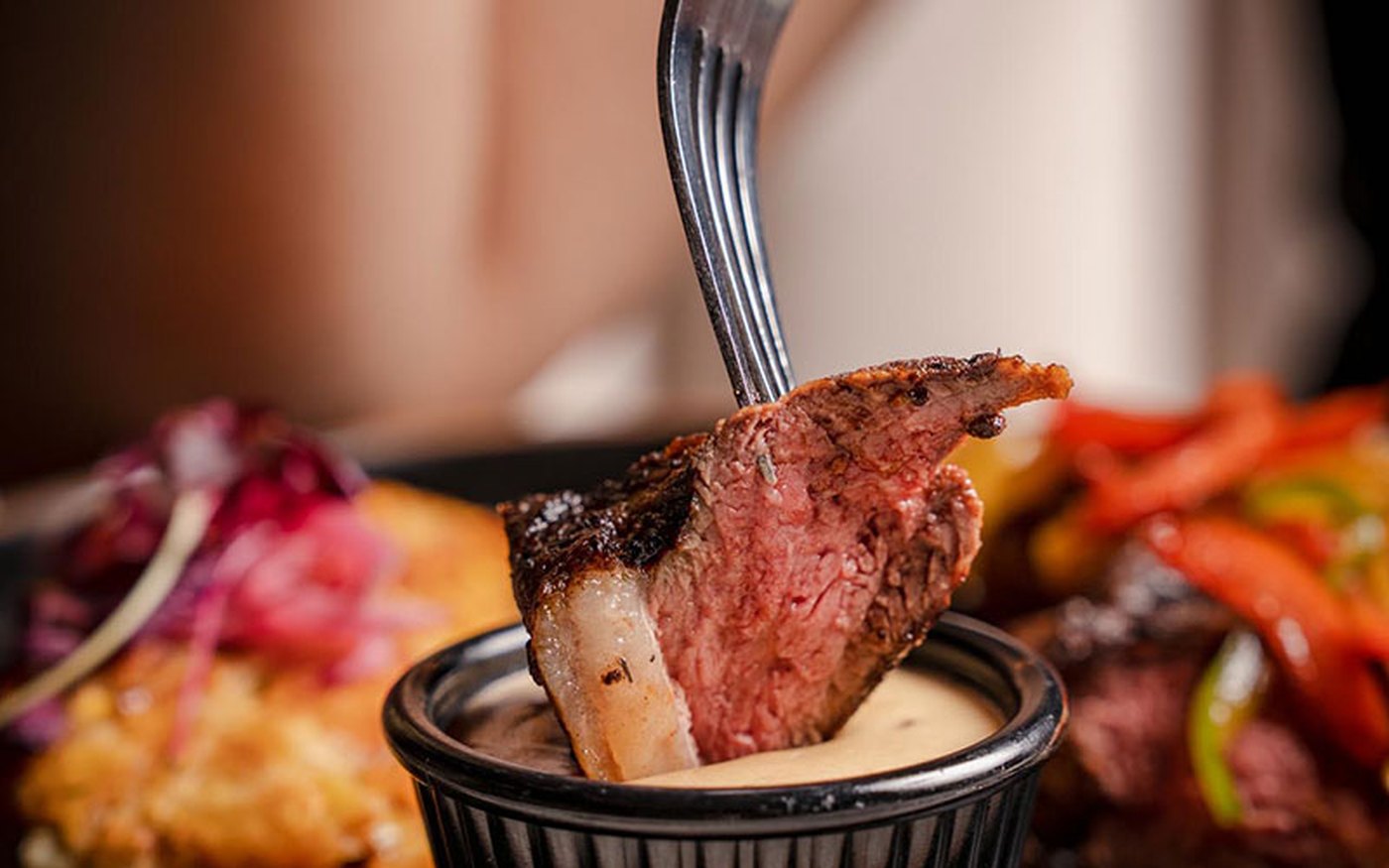
The Definitive Guide to Finding the Best Halal Steak in Birmingham
A great steak is simple: exceptional beef, honest seasoning, precise heat. A great halal steak adds a third non-negotiable — a supply chain you can trust from farm to fork. Birmingham, home to one of the UK’s densest halal dining scenes, is where those three requirements finally meet at scale. This guide explains exactly what to look for.
What Separates an Ordinary Steak from an Extraordinary Steak? (Dry-Aging vs Wet-Aging)
Most supermarket and mid-range restaurant steak is wet-aged — vacuum-packed in its own juices for weeks. It’s safe, consistent and bland. Dry-aging is the upgrade: whole cuts hang in a controlled, refrigerated environment for 28 days or more while enzymes tenderise the muscle and moisture evaporates, concentrating flavour into something nutty, beefy and deeply savoury.
Dry-aging requires real investment — dedicated chambers, precise humidity control, regular trimming — which is why only serious steakhouses bother. When you see a dry-aging cabinet glowing behind the bar, you’re in the right place.
Understanding Steak Cuts: Ribeye vs Sirloin vs Fillet vs Tomahawk
- Ribeye. Marbled, generous and flavourful — the connoisseur’s default. Fat renders during cooking, basting the meat from within.
- Sirloin. Leaner with a signature fat cap; beef-forward and versatile. Excellent value for a proper steak experience.
- Fillet mignon. The most tender cut, buttery but mild. Best medium-rare to protect its delicate texture.
- Tomahawk. A ribeye with the rib bone left long — pure theatre and a genuine sharing cut at 1kg+. Order it for the table, not just yourself.
The Art of Cooking Halal Steak: Temperatures, Charcoal Grills & Basting
Technique doesn’t change with certification — only the fats and seasonings do. The best kitchens sear hard for crust, finish gently, and rest the meat longer than they cooked it. Butter-basting with thyme and garlic is traditional; in a halal kitchen, high-quality beef dripping or olive oil does the same job beautifully. Charcoal grills add smoke that compliments dry-aged beef particularly well.
Our universal advice: order dry-aged cuts medium. The rendering fat and concentrated flavour peak between 55–60°C internal.
Why HMC Certification Matters for Beef Steaks
Steak is the highest-value item on most halal menus — and the one most vulnerable to supply chain shortcuts. HMC certification means independent auditors verify every step: slaughter method, transport, cold storage, and preparation surfaces in the restaurant itself. For a premium steak, certification isn’t paperwork — it’s the reason you can cut into a £68 tomahawk with total confidence.
How Decorum Birmingham Elevates Halal Steakhouse Dining
Decorum’s halal steakhouse menu is built around exactly these principles: a 28-day dry-aging program, HMC-certified British beef and wagyu, and a grill room where technique matches the quality of the raw product. Signature preparations include the black garlic tandoori sirloin, Swiss butter steak and the 1kg tomahawk — all served with house sauces made from scratch.
Browse the full steak menu with prices, or jump straight to booking.
Best Sides and Non-Alcoholic Pairings for Prime Beef
Great steak deserves great company on the plate: truffle skin-on fries, mac & cheese, onion rings and seasonal vegetables. For drinks, the alcohol-free pairing that works best with rich beef is bright and acidic — think passion fruit fizz or a smoked citrus mocktail, which cut through fat the way a bold red traditionally would.
Hungry? Reserve your steak table at Decorum — HMC-certified, dry-aged, grilled to your temperature.